
Educational Purposes Only: This website is for educational purposes only. All products are in the pre-clinical development stage. No content has been reviewed by the FDA. Full Disclaimer →
While the Chief Medical Officer defines what needs to be proven, Clinical Operations owns the how, where, and when — translating scientific strategy into human data across all four NEG+ device programs.
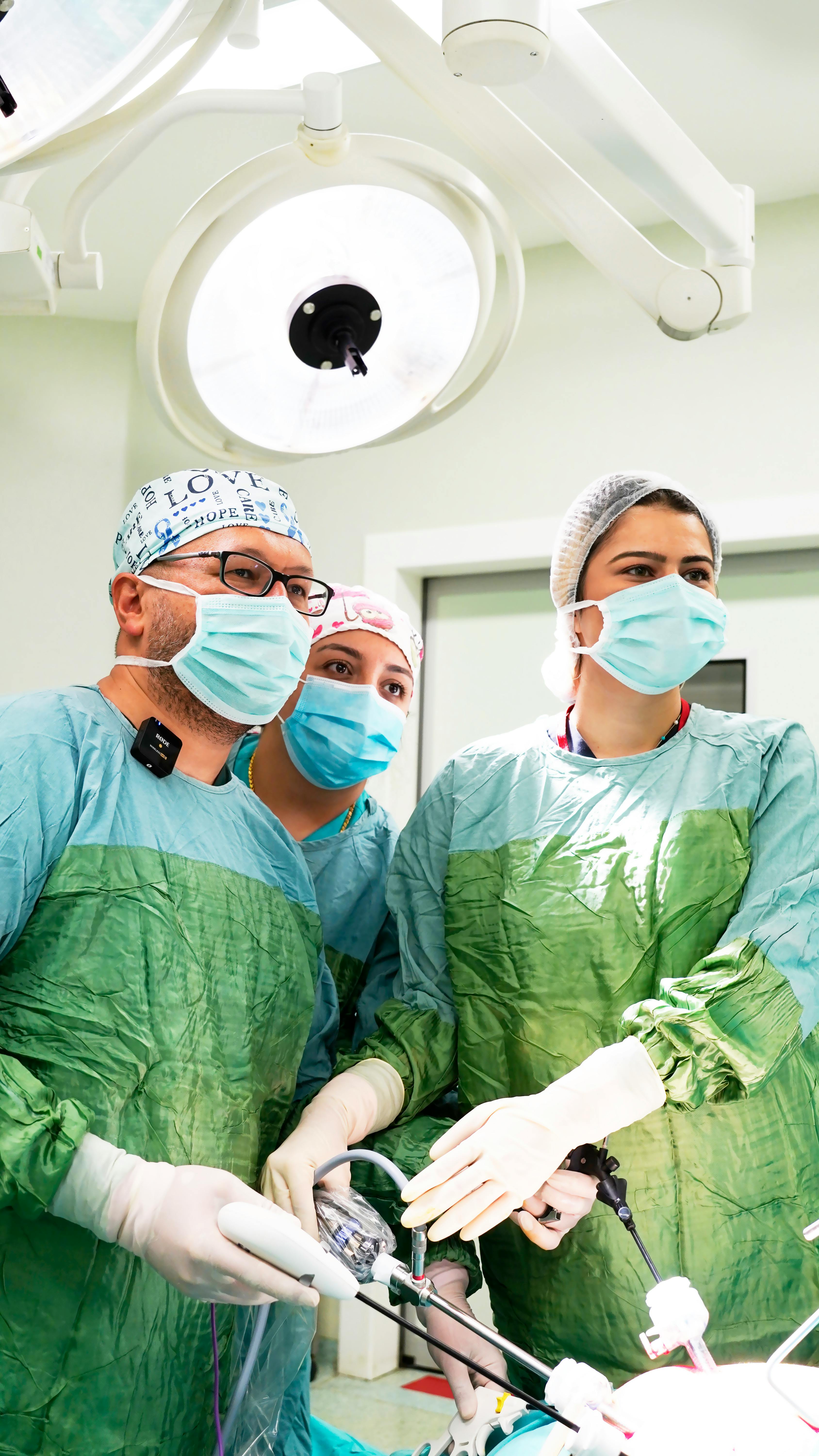
In a biotech startup, Clinical Operations carries a dual mandate: executing the current trial with precision while simultaneously ensuring the trial design is actually doable — before resources are committed. This is what separates a lean startup ClinOps function from its large-pharma counterpart.
Executing the current study on time, on budget, and in full compliance with GCP/ICH standards. Every site activation day saved, every query closed faster, every protocol deviation prevented — these are the KPIs that protect the data package and company valuation.
Pressure-testing protocol feasibility before it's too late. ClinOps owns the Probability of Operational Success (POpS) — identifying whether a protocol is too complex for sites to execute or too demanding for patients to enroll, before the trial starts.
Each ClinOps function maps to a measurable key performance indicator that directly impacts trial success, investor milestone triggers, and company valuation.
| Function | Strategic Contribution | Key Metric (KPI) |
|---|---|---|
| Project Management | Keeps the clinical program on the critical path — directly tied to milestone triggers for Series A and STTR Phase II funding. | Timeline Adherence |
| Site Management | Builds above-trial relationships with top-tier PIs; converts KOLs into clinical champions for publications and conference presentations. | Site Activation Time |
| Financial Oversight | Manages burn rate of NIH SBIR/STTR grants and venture capital against milestone deliverables — protecting runway. | Budget Variance |
| Supply Chain | Ensures each device (PNB, Colpotomizer, POP-Q sleeve) is at the right site, qualified, and available at the right time for each patient visit. | Stock-out Rate |
| Data & Query Oversight | Ensures data is clean for interim analysis, dose-escalation decisions, and FDA pre-submission meetings — protecting the regulatory dossier. | Query Resolution Time |
| Regulatory Logistics | Coordinates site-level IRB, informed consent, and investigator file maintenance — the operational side of FDA/IDE compliance. | IRB Approval Cycle |
| Recruitment Operations | Closes the gap between projected and actual enrollment — the single biggest driver of trial delay and cost overrun at the early feasibility stage. | Enrollment Rate vs. Plan |
In a large pharma company, ClinOps is often a siloed execution arm. At NEG+ Innovations, the ClinOps lead functions as a mini-COO for the clinical program — directly impacting company valuation by hitting the milestones that trigger the next funding round.
Every ClinOps function applies differently to each device program, reflecting distinct regulatory pathways, trial designs, and milestone gates. Here is how ClinOps maps to each program.
ClinOps priority: multicenter human factors validation and colpotomy time study. Site selection targets high-volume MIGS programs (>100 TLH/year). IRB and IDE coordination with Q-Sub FDA meeting preparation.
FDA 510(k) · FPI Target 2027ClinOps priority: STTR academic partner site coordination, IRB approval, and REDCap survey logistics for Phase 0. Drives NICHD/NIBIB submission timeline. Manages POP-Q sleeve supply chain across multi-site EFS.
510(k) + SaMD · STTR Phase I 2026ClinOps priority: site identification for PMUT-NIRS cadaveric validation and IRB-approved EFS. Multi-specialty enrollment (OB/GYN, Pain, Anesthesia) demands tailored recruitment strategy per specialty group.
FDA 510(k) · EFS Target 2027Milestone-gated: ClinOps engagement contingent on Q-Sub FDA outcome. Phase I FIH planning initiated at SBIR Phase I award. Site selection focuses on academic L&D centers with MFM research infrastructure.
De Novo / PMA · Milestone-GatedCentralized trial master file architecture and risk-based monitoring protocol applies across all four programs. Single QMS framework (ISO 13485 / 21 CFR Part 820) ensures consistent GCP standards regardless of trial phase.
Ongoing · All ProgramsClinOps tracks STTR Phase I and SBIR Phase I deliverable timelines against investor milestone gates. Budget variance reporting integrates NIH grant burn with VC runway — protecting the capital efficiency story for Series A.
Ongoing · Investor-FacingWe actively engage academic medical centers, urogynecology KOLs, and clinical research organizations aligned with our STTR and IDE programs.